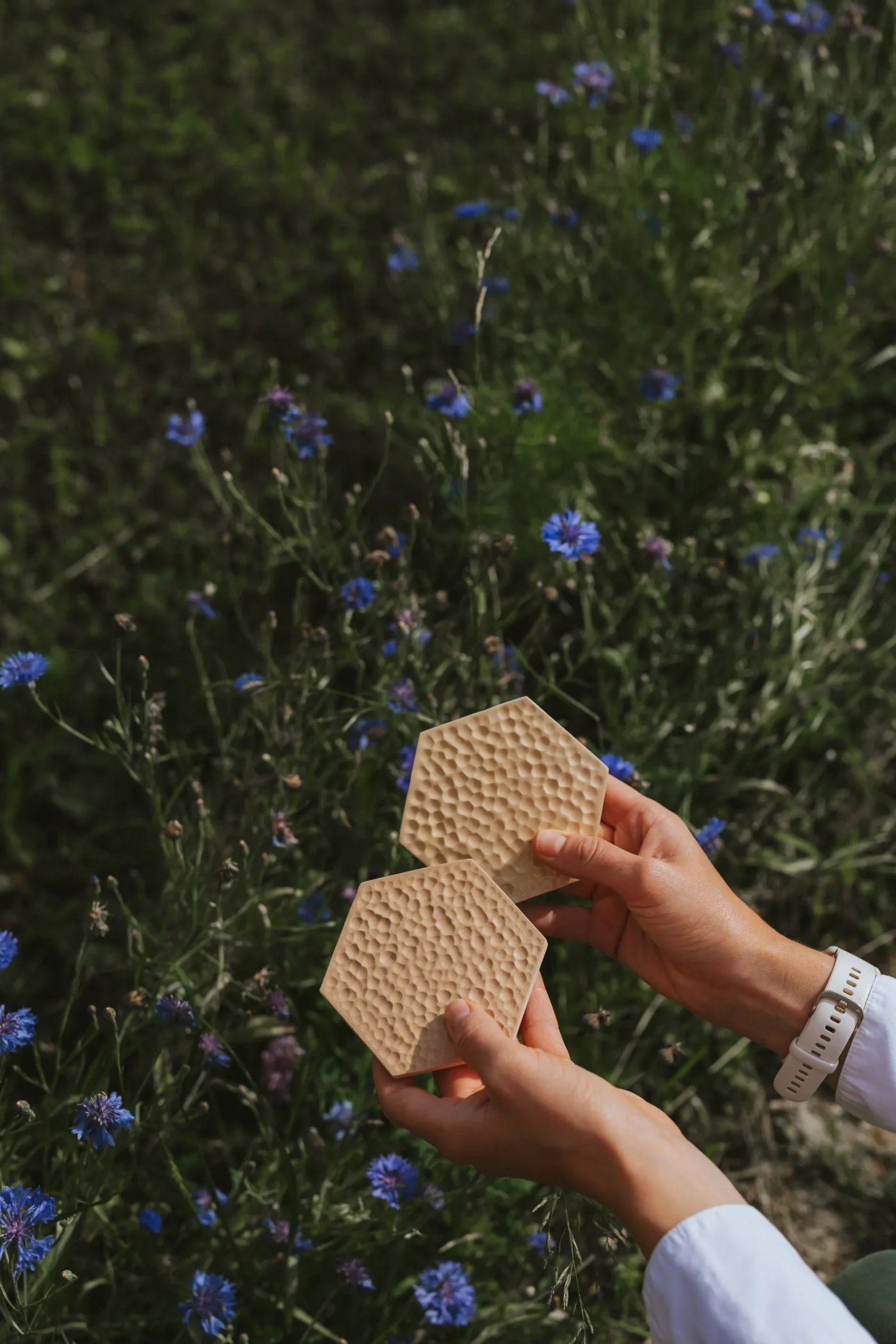
Picking tiles for your home is one of those decisions that feels small until you realize how much it shapes a room. The right tile sets the tone for everything else — the paint color, the furniture, even the lighting. And when you go custom, you’re not just choosing from what’s on the shelf; you’re designing something that’s actually yours. Here’s how to approach it.
Start with how the room is used
Before you think about colors or patterns, think about function. A kitchen backsplash deals with grease and splashes. A bathroom floor needs to handle moisture and bare feet. An entryway takes a beating from shoes and weather. Custom tiles let you match material and finish to the room’s real demands instead of compromising with a generic option — so this is the first conversation worth having with your designer.
Let the space set the scale
Small bathrooms can feel cramped with oversized tiles, while large open kitchens can swallow up tiny mosaic patterns and look busy instead of intentional. With custom work, you have the freedom to scale a pattern up or down until it actually fits the room’s proportions — something off-the-shelf tiles rarely allow.
Choose a color story, not just a color
Rather than picking a single shade, think about the palette of the whole room: walls, cabinetry, countertops, even the view outside the window. Custom tiles can be made to sit within that palette precisely, whether that means matching an exact paint swatch or creating subtle variation that ties everything together. If you’re unsure, warm neutrals and soft greys tend to be the safest long-term choice, while bold colors work best in smaller doses — a feature wall, a border, an accent strip.
Think about pattern and texture together
Pattern catches the eye, but texture changes how a room feels underfoot and in the light. A matte, textured tile reads calm and grounded; a glossy, smooth tile feels brighter and more reflective. Custom design means you can combine the two — a patterned tile with a texture that suits the room’s natural light — rather than settling for whichever finish happens to come with the design you liked.
Sample before you commit
However confident you feel about a design on screen, tile color and texture shift dramatically under real lighting. Always request a physical sample and view it in the actual room, at different times of day. This is especially important with custom colors, since slight variations in glaze or pigment can look quite different from how they appeared in a digital mockup.
Don’t design in isolation
The best custom tile choices come from collaboration. Share your room’s photos, your inspiration images, and even the things you don’t like, with whoever is designing your tiles. The more context they have, the more the final design will feel like it was made for your space — because it was.